

You finally did it — you spent the whole weekend decluttering, and the house looked incredible. Then, somehow, by Thursday the kitchen counter was buried under mail again, the entryway had become a shoe graveyard, and the living room looked like it had never met a sorting bin. If learning how to maintain a clutter-free home feels harder than decluttering in the first place, you are not alone. Decluttering is an event. Keeping a home clear is a rhythm — and rhythms are built on small, repeatable habits, not heroic weekend purges.
I learned this the long way. After my third massive declutter in two years, I sat on my living room floor staring at a fresh pile of “to sort” boxes and realized the problem was never my stuff — it was my systems. The homes that stay effortlessly tidy are not owned by more disciplined people. They are owned by people with a few quiet routines that catch clutter before it settles. Here are the habits that actually work.
Why a Clutter-Free Home Is So Hard to Keep (and What to Change)
Most of us treat clutter like a one-time problem: spend a Saturday purging, feel amazing, then watch the mess creep back within weeks. The reason is simple. Clutter is not really about the objects — it is about the flow of daily life. Every single day, things cross your threshold: mail, groceries, shopping bags, kids’ school papers, shoes, jackets, packaging, the free samples and flyers you never asked for. A decluttered house has no defense against that daily incoming stream unless you build one.
Think of it this way: decluttering lowers the water level, but the tap is still running. Maintaining a clutter-free home means installing the plumbing — small daily decisions that drain the sink as fast as the tap fills it. The good news is that none of this takes long: the habits below take minutes, not hours, and they get easier because each one removes a whole category of future decisions. And you are not aiming for a showroom — a lived-in home has life in it. The goal is intentional, not empty.
The 10-Minute Evening Reset: Your Daily Anchor Habit
If you adopt only one habit from this article, make it this one. The evening reset is the single most powerful practice for a clutter-free home, and it takes exactly ten minutes — set a timer and stop when it rings.
Here is how it works. Every evening, before you settle in, you walk through your main living areas and do three things only: return things to their homes, toss the trash, and reset your hot spots. You are not cleaning, scrubbing, or reorganizing. You are just putting things back where they belong — the throw pillows back on the sofa, the coffee cups to the sink, the remote on the tray, the kids’ toys in their basket.
The hot spots are the places where clutter collects in your specific home — usually the kitchen counter, the dining table, and the entryway. Every family has its own versions. Mine is a hallway console that seems to attract permission slips and mystery cables.
- Set the same time every night. Tying the reset to an existing routine — right after dinner, or while the kettle boils — makes it automatic within two weeks.
- Use a basket for strays. Keep one basket handy; anything that belongs upstairs or in another room goes in the basket during the reset, and one trip upstairs handles them all.
- Make it a team effort. With a partner or kids, set the same ten-minute timer and divide the zones. It is astonishing what four people can clear in ten minutes — and it becomes a bonding ritual rather than a chore.
- Do not deep-clean during the reset. The moment you start scrubbing grout or reorganizing a drawer, the reset becomes a project and you will stop doing it. Surface-level only.
Waking up to a kitchen that was “closed” the night before — counters clear, dishes handled, table empty — changes your whole morning. That feeling alone is what keeps the habit alive, and it is the habit that makes everything else on this list optional rather than urgent.
The One-Touch Rule: Stop Clutter Before It Lands
Clutter is almost never created in one dramatic moment. It is created in tiny deferred decisions. You come home, set the bag on the chair instead of unpacking it — that is one “touch” postponed. You open the mail, glance at it, set it on the counter to deal with later. Every item that lingers in limbo has been touched but not finished. The one-touch rule fixes this: when you touch something, finish with it in that moment.
Hang the coat instead of draping it. File the mail or recycle it immediately — do not create a “to file” pile, because that pile is where clutter goes to live. Rinse the cup and put it straight in the dishwasher. Put the shoes on the rack, not in front of it. Each of these takes five seconds instead of three, and it is the three seconds of avoidance that create the mess.
Some examples from real life:
- Mail: sort it over the recycling bin the moment you walk in. Recycle junk immediately, open the rest, and act or file — the counter never becomes a mail graveyard.
- Groceries: unpack everything fully when you get home. Every bag sitting “for later” on the counter is visual noise that drains you.
- Laundry: fold and put away the moment it comes out of the dryer. A warm laundry basket looks innocent for about an hour, then it becomes furniture.
- Shopping bags: break them down and recycle or store them the same day. Flattened boxes and bags reproduce in dark corners.
Nobody does this perfectly. But even applying the one-touch rule half the time cuts your incoming clutter stream dramatically — clutter gets intercepted on arrival, and the evening reset catches anything that slips through.
Give Everything a Home — Especially Your Drop Zones
The one-touch rule only works if everything actually has a home. When you pick up your sunglasses and there is no designated spot for them, they land on the nearest flat surface, and that surface becomes their “home” by default. Multiply that by forty small items and your home is cluttered despite your best intentions.
So audit your home’s most frequent offenders: keys, wallet, sunglasses, mail, shoes, bags, coats, chargers, kids’ school items, reusable bags, dog leash. Each one needs a single, specific, convenient spot — if the key hook is in the bedroom but you always enter through the kitchen door, the hook might as well not exist. Put the home where the habit happens.
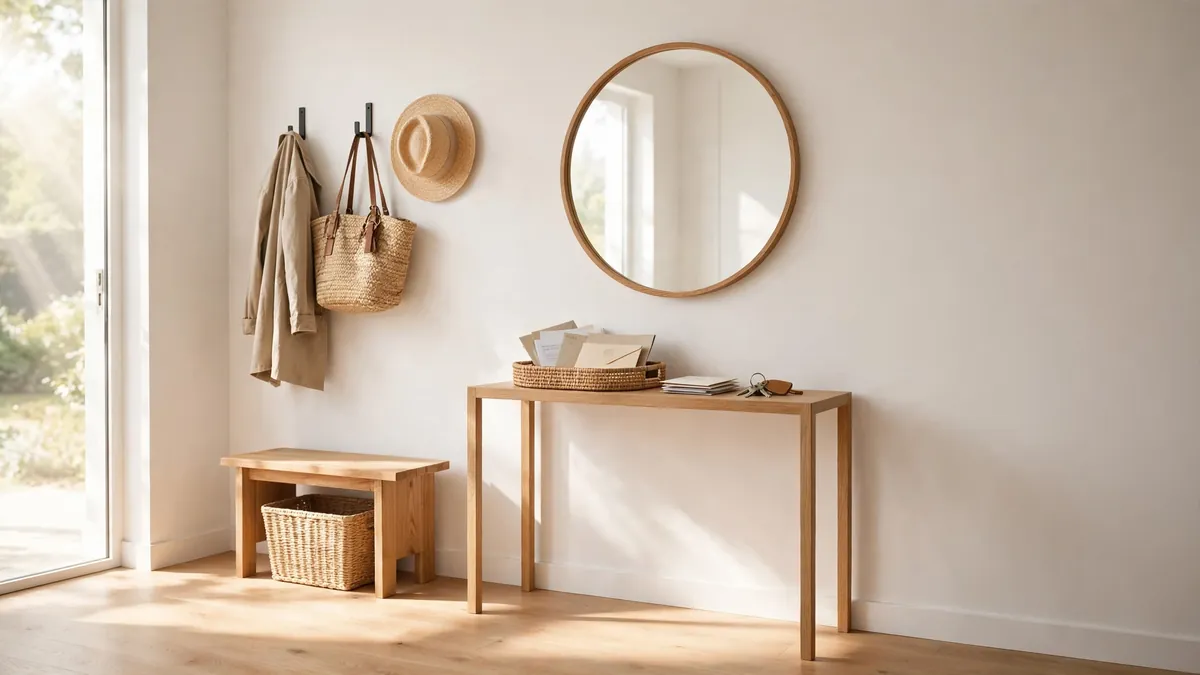
The entryway deserves special attention because it is where the day’s incoming clutter first lands. A well-designed drop zone — a bench, a few hooks, a small tray or basket for mail and keys — catches everything in one contained spot instead of letting it spread through the house. When guests arrive, the entryway looks intentional instead of chaotic, and you always know where your keys are.
A few placement principles that work in any home:
- One tray for all the small stuff. A single attractive tray on the console catches keys, coins, receipts, and pocket items. Contained clutter stops feeling like clutter.
- Baskets beat piles. For families, one basket per person in the entryway or mudroom holds that person’s daily items — no more five pairs of shoes fanning across the floor.
- Charge phones in one place. A single charging spot with a small tray ends the trail of cables and phones across every countertop in the house.
- Keep the paper rule visible. Give incoming paper one tray, and process it weekly. If paper is part of your clutter battle, a simple filing routine keeps it from breeding on flat surfaces.
The Monthly Mini-Purge: How Minimalists Keep a Clutter-Free Home
Daily habits handle the incoming stream, but every home slowly accumulates a layer of things you stopped noticing — the third water bottle, the gadget you used once, the jeans that almost fit, the birthday candle collection you inherited. That is where a monthly mini-purge comes in. Not a weekend declutter marathon — a short, focused pass through one small area.
Pick one drawer, one shelf, or one bag per month. Set a timer for fifteen minutes and remove anything you no longer use, love, or need. Keep a donation bag hanging in a closet or laundry room year-round so outgoing items leave the house without a special trip — when the bag is full, it goes to the donation center that same week.
This is also where simple guardrail rules earn their keep. The one-in-one-out rule — every new item that enters your home means one similar item leaves — is the simplest long-term defense against re-cluttering, because it caps your total inventory automatically. And if duplicates are your particular weakness (three pairs of kitchen scissors, anyone?), the rule of one for duplicates helps you release the extras without guilt.
- Rotate the zone. January: junk drawer. February: under the bathroom sink. March: the coat closet. Twelve zones a year means the whole house gets a pass annually.
- Check the expiration layer. Medicines, sunscreen, spices, batteries, pantry goods — expired items are clutter wearing a costume.
- Ask the relocation question. If you find something you still want but never use where it lives, move it — or admit it has served its purpose and let it go.
- Do it before big shopping seasons. A quick purge before the holidays or back-to-school creates actual space for incoming gifts and supplies.
Twelve fifteen-minute sessions a year — three hours total, less than one frantic Saturday — and it prevents the slow creep that makes homes feel heavy again.

Simple Habits That Quietly Protect Your Space
With the big systems in place, a few room-specific micro-habits keep every area calm between purges. Steal the ones that match your clutter patterns:
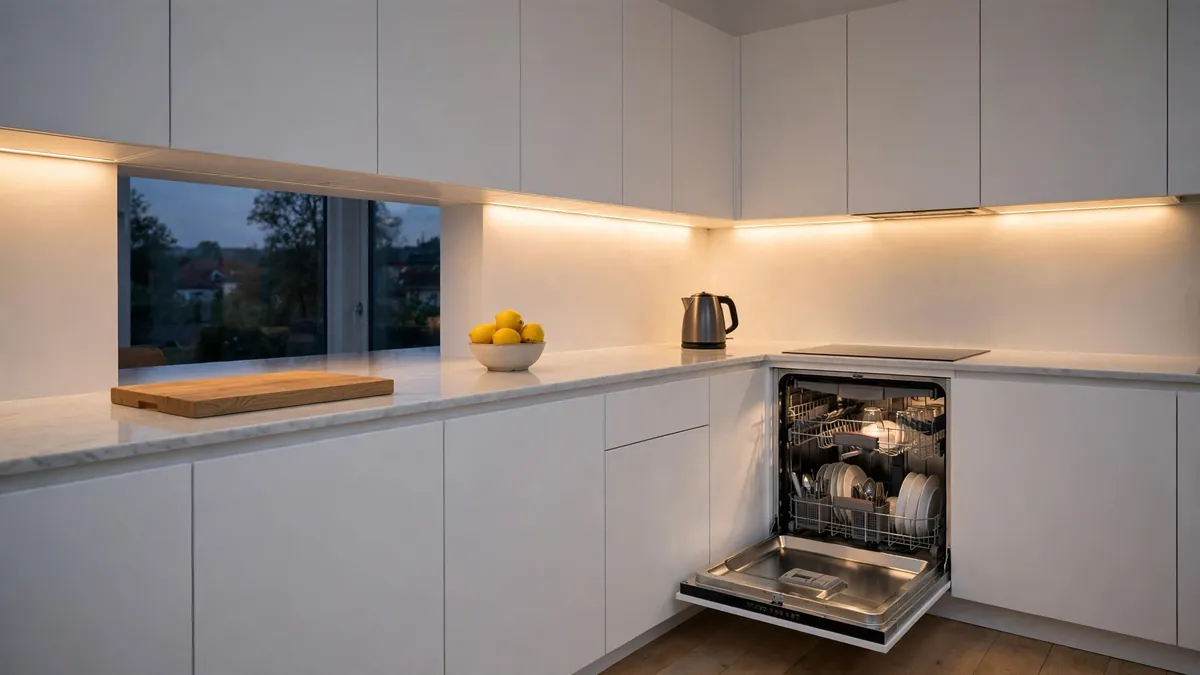
- Kitchen: clear and wipe counters after dinner; keep the sink empty overnight; store appliances you use less than weekly out of sight.
- Living room: return everything to its home each evening during your reset; keep surfaces to a few intentional pieces rather than a display of many — cozy minimalist decor proves that warmth comes from texture and light, not quantity.
- Bedroom: make the bed every morning — it instantly makes the whole room look ordered — and keep the nightstand to the essentials. A calm bedroom genuinely improves your sleep, which is why minimalist bedroom ideas focus so heavily on clear surfaces.
- Bathroom: wipe the sink after your morning routine and return products to their spots; toss empties on the spot instead of lining them up “until the bottle is really done.”
- Closet: when you take something off the hanger, put it back or in the laundry immediately — the chair in the corner is a gateway habit.
- Digital: physical clutter is only half the story; a quick weekly pass through your phone photos, inbox, and desktop keeps mental noise down too.
Notice the pattern: each habit takes under a minute. None of them require motivation, a free weekend, or a personality transplant — just a place for things to go and a tiny moment of follow-through.
Start small, stay consistent, and enjoy the calm. A clutter-free home is not a destination you arrive at once — it is a gentle rhythm: ten minutes in the evening, one-touch decisions through the day, a home for everything, and a small monthly purge. Start with just one habit this week. The evening reset is the highest-impact place to begin, because it guarantees you wake up to a calm house every day, and that calm becomes the reason you keep going.
A few months from now, you will walk through your front door after a long day and feel your shoulders drop instead of tighten. The mail is sorted, the counters are clear, everything has a home — and it happened in minutes, not marathons. That is what a clutter-free home really is: not perfection, but peace that maintains itself.
[…] recycle, no deliberation. Anything with sensitive information you no longer need goes to shred. The same decision muscle you build maintaining a clutter-free home starts right here: fast, kind, final […]
[…] closet finally has that calm, airy look I’d been chasing for years — which makes maintaining a clutter-free home so much easier, because laundry day no longer detonates the […]
[…] clear counter is the whole visual payoff of the reset. If your counters are chronically cluttered, a few clutter-maintenance habits during the day will make this step nearly […]
[…] Once a month, do a slightly deeper check: anything you have not touched in 60 days goes back through the keep-or-go test. Equipment collections grow like weeds, and a monthly ten-minute review keeps them honest. For a bigger framework that keeps the whole house at this standard, see our guide on how to maintain a clutter-free home. […]