
The name stops people cold. “Swedish death cleaning” sounds morbid — like something from a true-crime documentary. But the Swedish concept it’s based on, döstädning (a combination of dö, meaning death, and städning, meaning cleaning), is one of the gentlest, most loving approaches to decluttering I’ve ever encountered.
The idea, popularized by Margareta Magnusson’s wonderful little book on the subject, is simple: gradually pare down your belongings over time, so that the people you love aren’t left with the overwhelming job of sorting through a lifetime of stuff after you’re gone. It’s not about dying. It’s about living lightly — and loving generously.
You don’t need to be old to start. In fact, starting young is the whole point: a little at a time, over years, with zero drama.
What Swedish Death Cleaning Actually Is (and Isn’t)
It is: A slow, ongoing practice of keeping only what you use, love, or genuinely need — motivated by consideration for others and clarity for yourself.
It isn’t: A frantic purge. A minimalist competition. Throwing away everything you own. Depressing.
The emotional frame matters enormously. Regular decluttering asks “do I want this?” Swedish death cleaning asks a kinder question: “Would anyone be happy to deal with this after I’m gone — and does it serve my life right now?” That second question cuts through indecision like nothing else. The broken lamp you’ve been meaning to fix for six years? Nobody wants to inherit that decision.
Why It’s a Gift (To Them and To You)
For your family: Anyone who has cleared out a loved one’s home knows the weight of it — not just the physical labor, but the emotional burden of deciding what mattered to someone who’s gone. Every box you sort now is a burden you lift later. It’s one of the most practical acts of love there is.
For you: Here’s the surprise benefit nobody expects — it makes your own life better right now. Less stuff to manage, clean, store, and worry about. A home that feels light. The knowledge that everything you own is something you chose. People who practice this consistently describe feeling calmer and more in control, not sad.
How to Start: The Gentle Order
Magnusson suggests starting with the easy, impersonal stuff and working toward the emotional items. This order is brilliant because it builds your letting-go muscles gradually:
1. Storage areas first (the least emotional)
Attics, basements, garages, storage units. The boxes you haven’t opened in years. This is the easiest territory — if you forgot you owned it, you don’t need it. Be generous with the donate pile here.
2. Clothes and everyday items
The wardrobe edit: what fits, what you wear, what you love. Then everyday household items — duplicate kitchen tools, excess linens (two sets per bed is plenty), the mug collection. Our Keep-Toss-Donate wardrobe system works perfectly here.
3. Furniture and large items
The extra chairs nobody sits in, the side table that just collects clutter, the bookshelf of books you’ll never reread. Large items are the biggest relief to let go of — each one frees real space and real mental weight.
4. Hobbies and collections
The craft supplies for the abandoned hobby, the boxes of cables for devices that no longer exist, the collection you stopped enjoying years ago. Keep the hobbies you actually do; release the ones that became obligations.
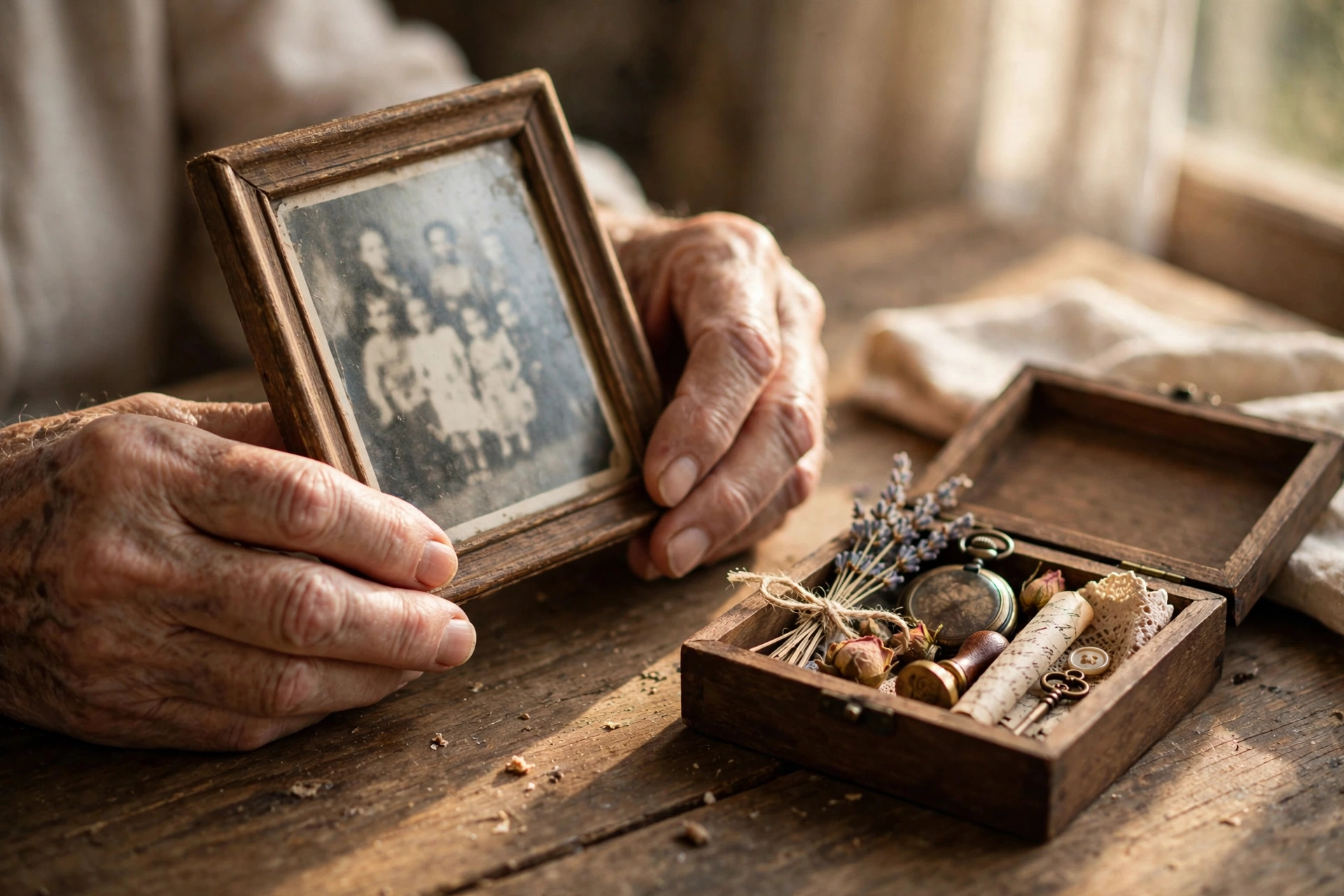
5. Photos and memories (last, always last)
The most emotional category goes last, when your decision-making is strongest. Sort photos, keep the best, digitize what you can, and let the blurry duplicates and mystery landscapes go. (Our guide on decluttering sentimental items without guilt walks through this gently.)
6. The secret things (Magnusson insists on this one)
Diaries, letters, personal papers — the things only you should decide about. She writes frankly: don’t leave anything behind that would embarrass or burden the people you love. Sort your private papers yourself. This is dignity, not secrecy.
The Conversations to Have
Swedish death cleaning isn’t a solo project — it involves the people who matter:
Tell your family what you’re doing and why. Frame it as love, not gloom: “I’m simplifying so things are easy for everyone, and honestly I’m enjoying the lighter house.” Most families are relieved, not upset.
Ask what they actually want. Before decluttering heirlooms, ask your kids or relatives which items matter to them. You’ll be surprised — it’s rarely the “valuable” things. Give meaningful items now, while you can see them enjoyed, rather than leaving them as surprises.
Share the stories. The value of most keepsakes is the story, not the object. Write down or record the stories behind the important pieces — who owned it, why it mattered. A labeled photo with a story is worth more than a mysterious object in a box.
Make a simple list. Where are the important documents? Bank accounts, insurance, passwords (in a secure place), wishes. This isn’t morbid — it’s responsible, and it belongs alongside the physical decluttering.
The Mindset Shifts That Make It Work
“Will anyone be happier for having this after I’m gone?” — The signature question. If the answer is no, and it doesn’t serve your life now, it can go.
Keep the best, release the rest. You don’t need forty family photos — you need the ten best ones, displayed or properly kept. Curation honors memories better than accumulation.
It’s a practice, not a project. There’s no finish line and no deadline. An hour here, a box there, over months and years. The slowness is the point — it keeps the process gentle and sustainable.
You’re allowed to keep things you love. This isn’t minimalism as punishment. The beautiful things, the useful things, the things that make your daily life better — those stay. Swedish death cleaning removes the excess, not the joy.
What to Do With Everything You Release
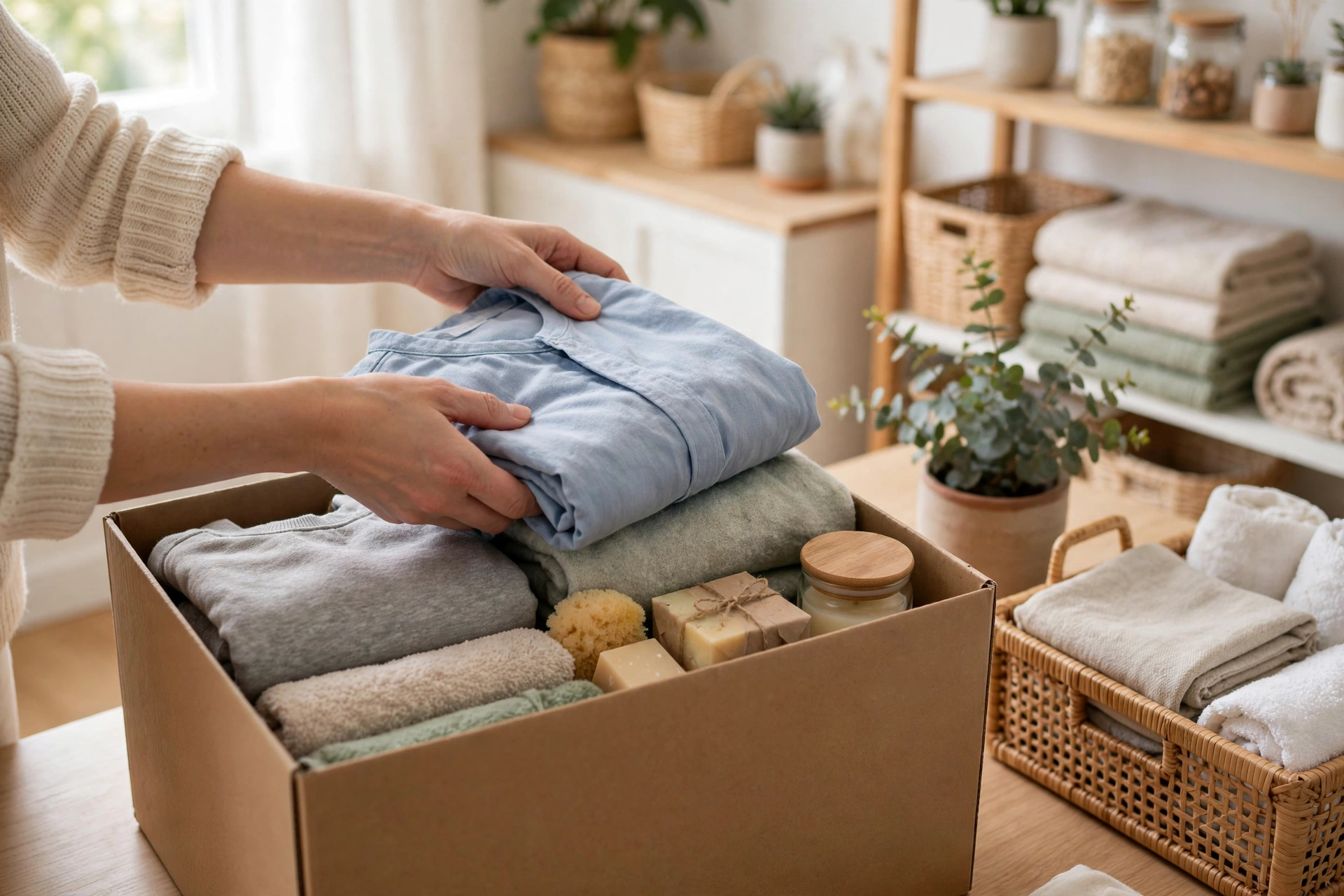
- Give to family now — with the stories attached, while you can enjoy their enjoyment
- Donate generously — usable items find new homes fast through charities and shelters
- Sell valuables — but with deadlines, so selling doesn’t become another form of storing
- Recycle and trash the broken and truly worn out, without guilt
Get released items out of the house promptly. A donate pile that sits for months is just clutter with good intentions.
Frequently Asked Questions
What age should you start Swedish death cleaning?
Any age. Magnusson started in her sixties, but the philosophy works at thirty too — it’s simply about keeping your belongings intentional and not burdening others. Starting early just means doing it more gradually.
Is Swedish death cleaning depressing?
Most people find the opposite. Practitioners consistently describe feeling lighter, calmer, and more appreciative of what they keep. The focus is on love for family and clarity for yourself — not on mortality.
How is it different from regular decluttering?
The method is similar, but the motivation and pace differ: it’s slower (years, not weekends), gentler (easy items first), and framed around consideration for loved ones rather than just personal tidiness.
Do I have to get rid of everything?
Absolutely not. Keep everything you use, love, and need. The goal is removing the excess — the duplicates, the broken, the “someday,” the forgotten — not stripping your home bare.
Swedish death cleaning asks one beautiful question: how can I make life easier for the people I love, starting with my own? Answer it a little at a time — a box this month, a closet next month — and you’ll build something rare: a home where everything in it is there on purpose, and a future your family will thank you for.
If the sentimental pieces feel hardest, start here: How to Declutter Sentimental Items Without the Guilt.